Hikes don’t have to be long or remote to get unpredictable. A sudden storm, a wrong turn, or a lack of water can turn a relaxing day outside into a stressful situation. That’s why packing the right gear — even for short trails — matters more than most people think.
Whether you’re heading out for a one-hour loop or a full-day push above the treeline, a solid checklist keeps you ready for whatever the trail may throw at you. From navigation tools and extra layers to how much water to bring, here’s what to pack for a safer, more enjoyable hike.
The 10 Essentials Every Hiker Should Know
The “10 Essentials” list has been around for decades, and for good reason: It’s the baseline for staying safe on any hike. These aren’t only for backcountry pros. Even if you’re heading out for a few easy miles, having the right gear on hand can keep small problems from turning into emergencies.
Here’s what every hiker should bring, and why each item matters:

1. NavigationBring a map, compass, GPS device, or, ideally, a mix of analog and digital tools. Trails can get confusing, phone batteries can die, and cell service isn’t guaranteed. Apps such as AllTrails and Gaia GPS work well when downloaded for offline use, and satellite communicators, such as Garmin inReach and ZOLEO, add an extra layer of safety on remote routes. |

2. Sun ProtectionPack sunglasses, SPF 30+ sunscreen, lip balm with SPF, and a brimmed hat. UV rays are stronger at higher altitudes, and even cool or overcast days can leave you with a sunburn. Don’t forget to reapply sunscreen every two hours, especially at altitudes where UV exposure increases. If you’re hiking near snow, water, or bright granite, reflected light can also intensify burn risk. |

3. InsulationThe weather can shift quickly, especially in the mountains. Carry at least one extra layer of clothing, such as a fleece or puffy jacket, even if conditions seem mild when you head out. Choose moisture-wicking layers (wool or synthetic) over cotton, which stays wet and cools your body rapidly if temperatures drop. |

4. IlluminationAlways bring a headlamp or flashlight with extra batteries. If you’re delayed, lose track of time, or hike out slower than expected, this one tool can make a huge difference. Even for daytime hikes, a headlamp is key in case your outing runs long. Choose an LED model with at least 200 lumens and pack spare batteries. |

5. First-Aid SuppliesA small kit should cover the basics: bandages, antiseptic, blister treatment, pain relievers, and any personal medications. Customize your kit based on the season and your own needs — think extra blister pads for longer hikes or allergy meds during high pollen months. You may not use it often, but when you need it, you’ll be glad it’s there. |

6. Fire StarterCarry waterproof matches, a lighter, or a firestarter in a dry container. Fire is a key survival tool for warmth and signaling in emergencies. Before heading out, check local fire restrictions through the land manager’s website, such as the National Park Service, U.S. Forest Service, or Bureau of Land Management, or the nearest ranger station. Many areas limit or ban open flames during dry seasons, and some restrict certain stove types. Use fire responsibly, follow posted rules, and skip campfires completely during periods of high fire danger. |

7. Repair Kit and ToolsSmall gear failures are common on the trail — a snapped strap, a torn jacket, or a loose trekking pole. A mini repair kit prevents small issues from becoming trip-enders. Keep a small multi-tool or knife handy to tackle gear issues fast. Duct tape, zip ties, or paracord can come in handy to patch straps, tents, zippers, or trekking poles in a pinch. |

8. Extra FoodHiking takes more energy than most people realize. Bring enough high-calorie snacks to sustain you, plus a little extra in case the trip takes longer than planned. Include a mix of salty and sweet options to balance flavor and replenish electrolytes you lose through sweat. Trail mix, granola bars, jerky, and nut butter all travel well and deliver a solid fuel boost. |

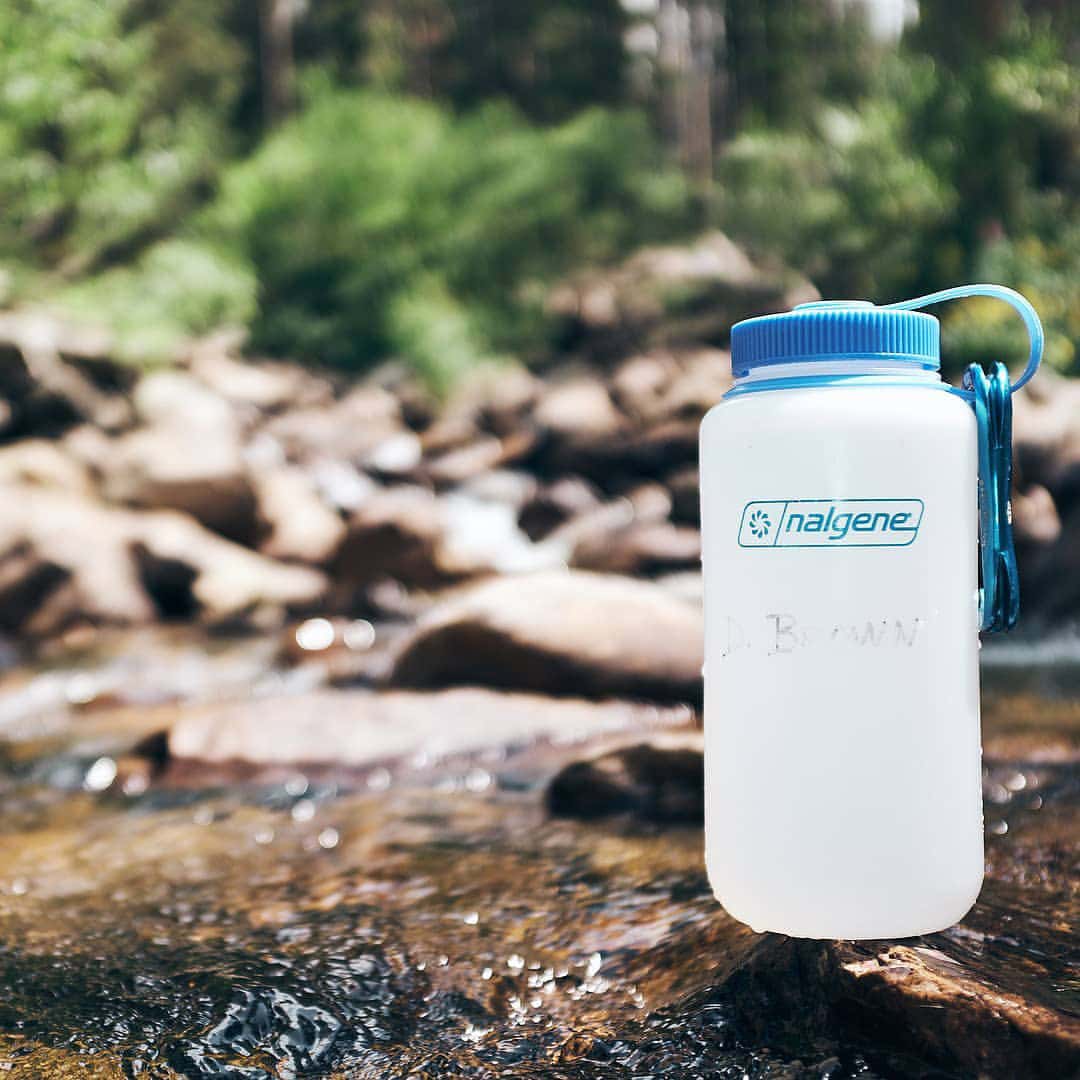
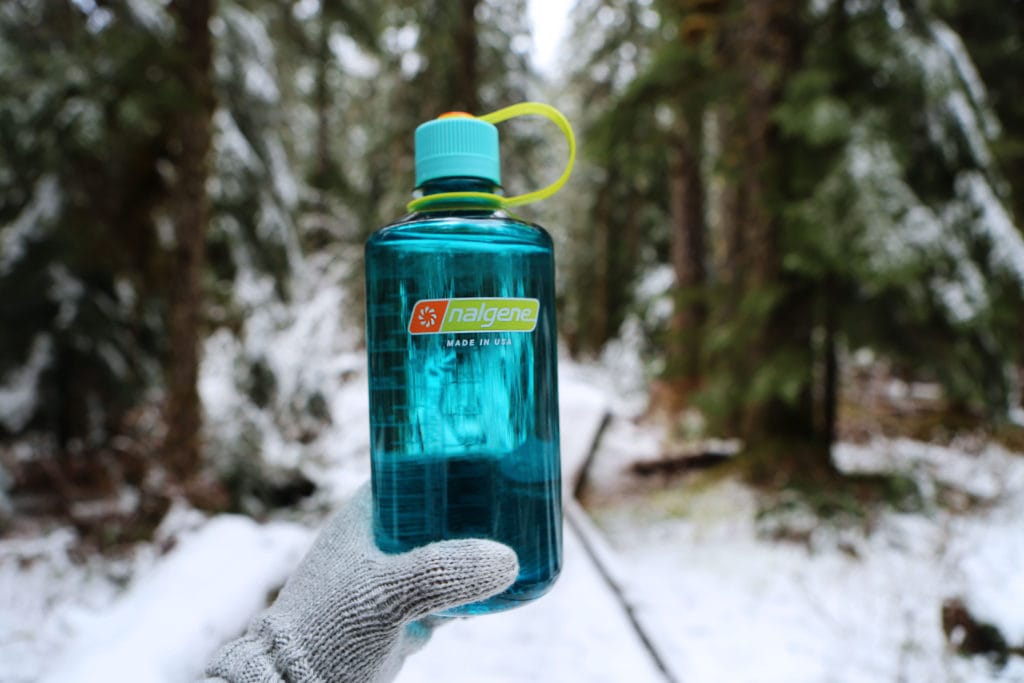
9. Extra Water.Carry more than you think. You’ll need about half a liter per hour of hiking and even more in heat or high elevation. Choose a durable, leakproof Nalgene bottle that’s easy to drink from and fits in your pack. If you’ll need to refill from natural sources, bring a water filter or purifier to make it safe to drink. For hot or high-mileage days, carrying two Nalgenes — one for drinking and one for backup or filtration — gives you more flexibility on dry trails. |

10. Emergency ShelterEven on day hikes, unexpected delays or sudden storms can happen. An emergency shelter adds only a few ounces to your pack but can make a major difference in cold or wet conditions. Include a lightweight emergency bivy sack (a compact, weather-resistant sleeping bag cover), space blanket, or even a heavy-duty trash bag. If you have to spend the night or wait out bad weather, quick shelter can help retain body heat and block wind or rain. |
How Much Water to Bring on a Hike
There’s no one-size-fits-all rule, but a solid guideline is about half a liter of water (roughly 17 ounces) per hour of hiking. From there, adjust based on factors such as temperature, altitude, terrain, and your own pace. On hot days or steep climbs, you may need closer to 24–30 ounces per hour.
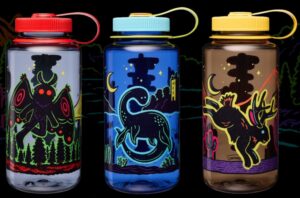
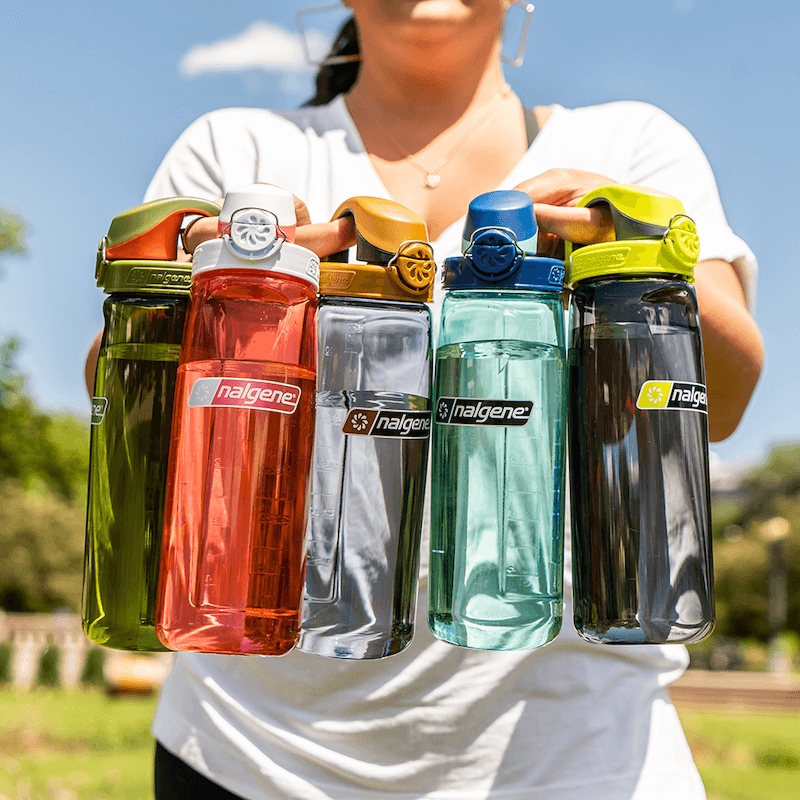
The easiest way to stay on top of hydration is to carry bottles that make it easy to track how much you’ve got. Nalgene’s 32 oz. hiking bottles are clearly marked, leakproof, and built tough for the trail. And the Ultralite Collection is also great for hiking since it shaves down weight without sacrificing durability.
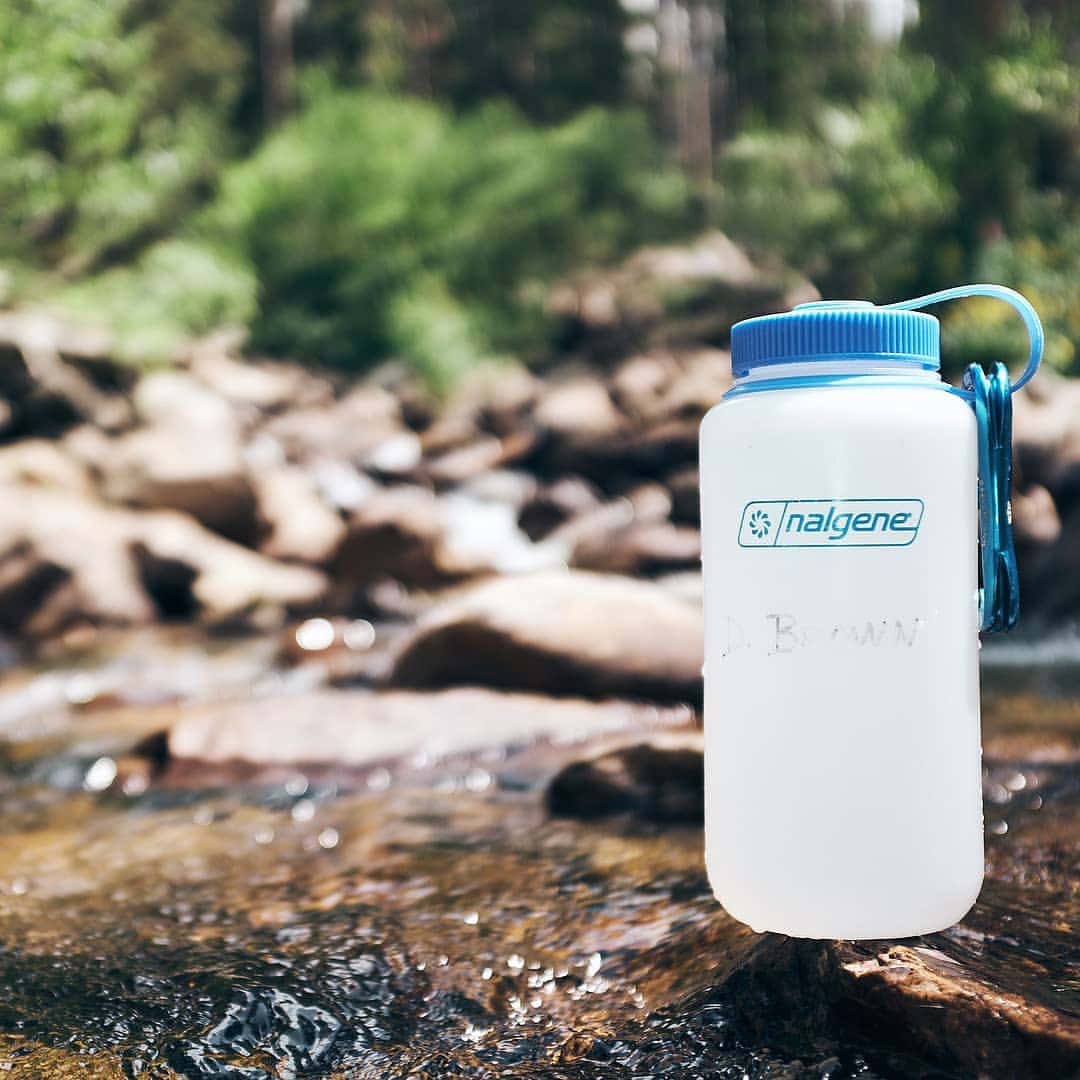
If you’ll be out all day or hiking somewhere without reliable access to clean water, consider bringing a filter. Nalgene’s Epic Water Filter cap kits remove contaminants from both tap and outdoor sources, making it easier to refill as you go.
Ultimately, how much water you bring — and how you carry it — depends on where you’re going, how long you’ll be out, and what the conditions look like.
What to Pack Based on 5 Different Types of Hiking
Your packing list won’t always look the same. A short morning hike near home calls for a different approach than a full-day mountain push. Below, we break down how to adjust your gear based on five common hiking scenarios, so you can be prepared without overpacking.
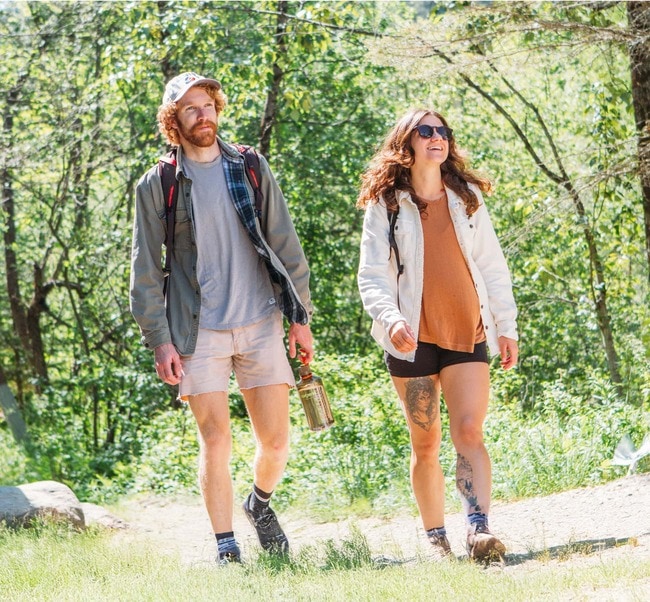 |
1. Full-Day Hike (6–12 miles)For long, single-day efforts with changing terrain or weather |
Pack these in addition to the core 10 Essentials:
Longer miles mean more chances for fatigue, missed turns, and weather shifts. Pack for flexibility. |
 |
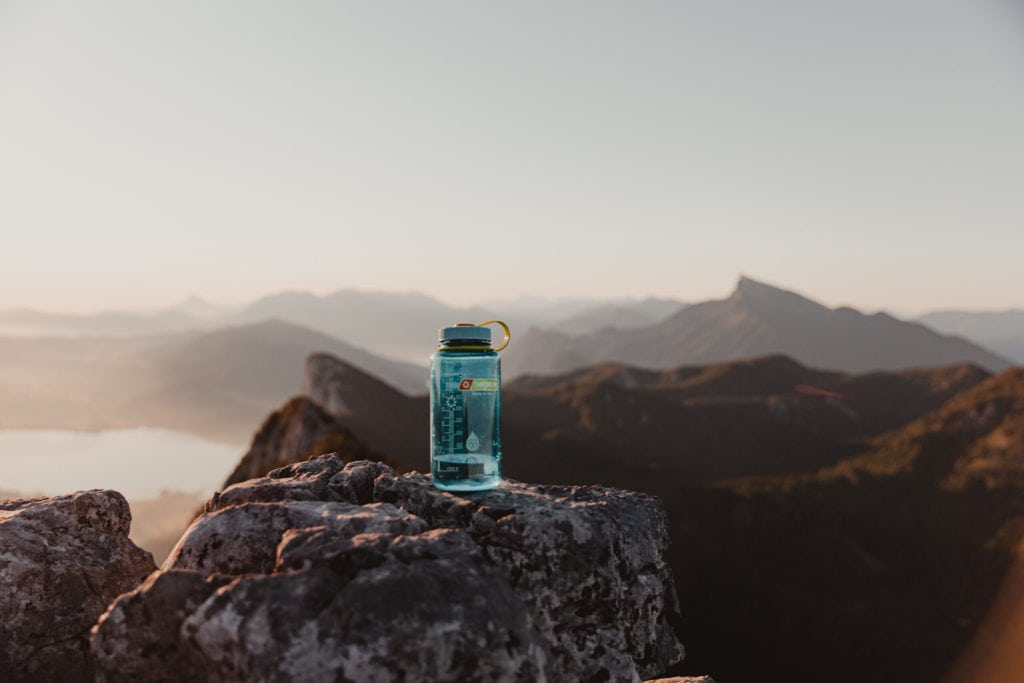
2. High-Altitude or Alpine HikeFor hikes above treeline or with significant elevation gain |
Add to the standard list:
Conditions change rapidly above treeline — wind, exposure, storms, and temperature swings can all happen fast. |
 |
3. Winter Day HikeCold-weather hikes require added layers and more caution |
Add to the standard list:
Winter exponentially increases risks of cold injury and weather shifts, so redundancy matters. |
 |
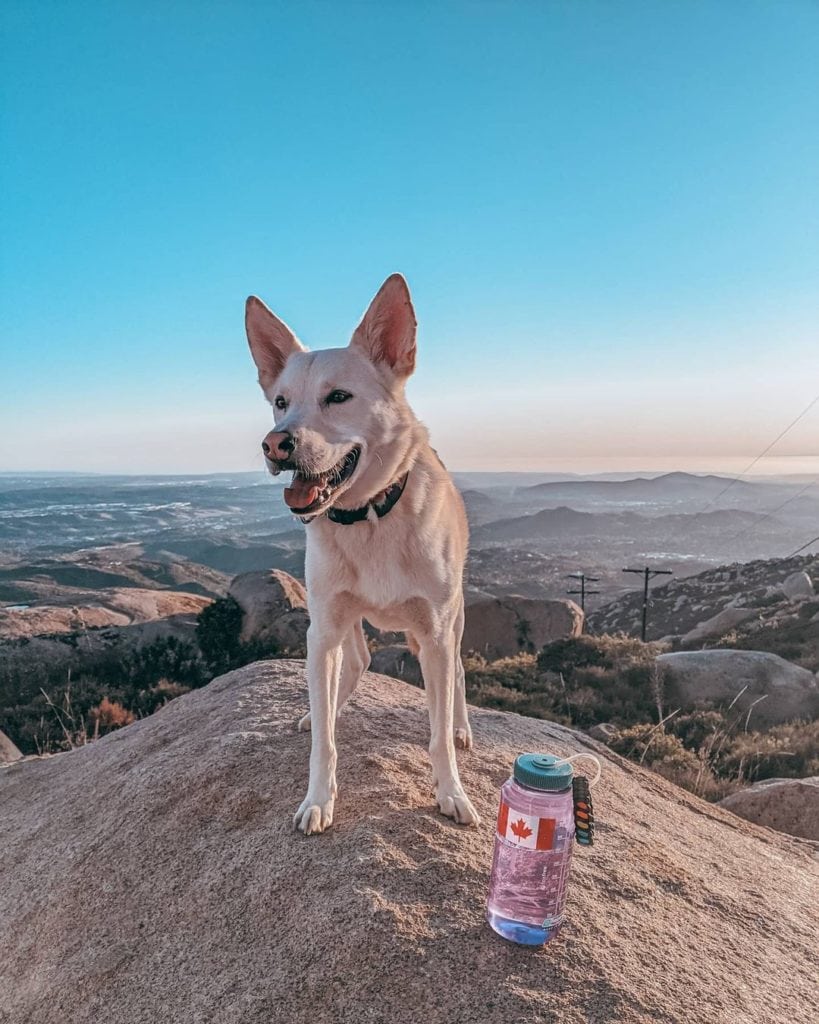
4. Day Hike with a DogFor hiking safely with four-legged trail buddies |
Add to the standard list:
Keep an eye on paw pads, heat stress, trail etiquette, and whether the route has enough shade or water access. |
 |
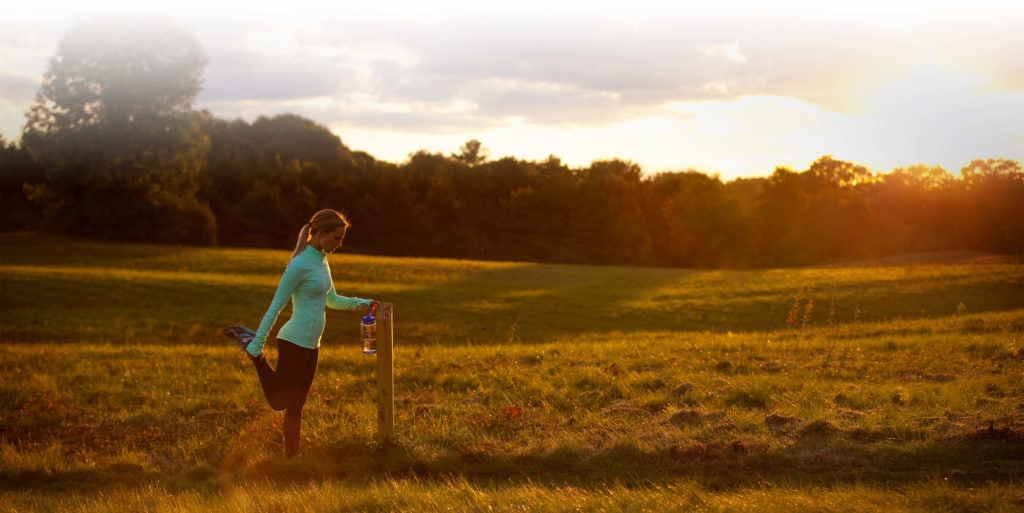
5. Day Hike Longer Than 8 HoursFor long-duration hikes that may extend into dusk or pass remote areas |
Add to the standard list:
Longer hikes can start to feel more like backcountry outings, where having backups for navigation, water, and light becomes especially important. |
 |
Bonus: Family-Friendly or Kid-Focused HikeFor outings with younger hikers or groups with mixed experience levels, the goal is comfort, steady energy, and keeping everyone engaged |
Add to the standard list:
Keep the pace relaxed and adjust the route based on how everyone feels. When kids stay comfortable and involved, the entire hike tends to run smoothly. |
Final Trail Trip
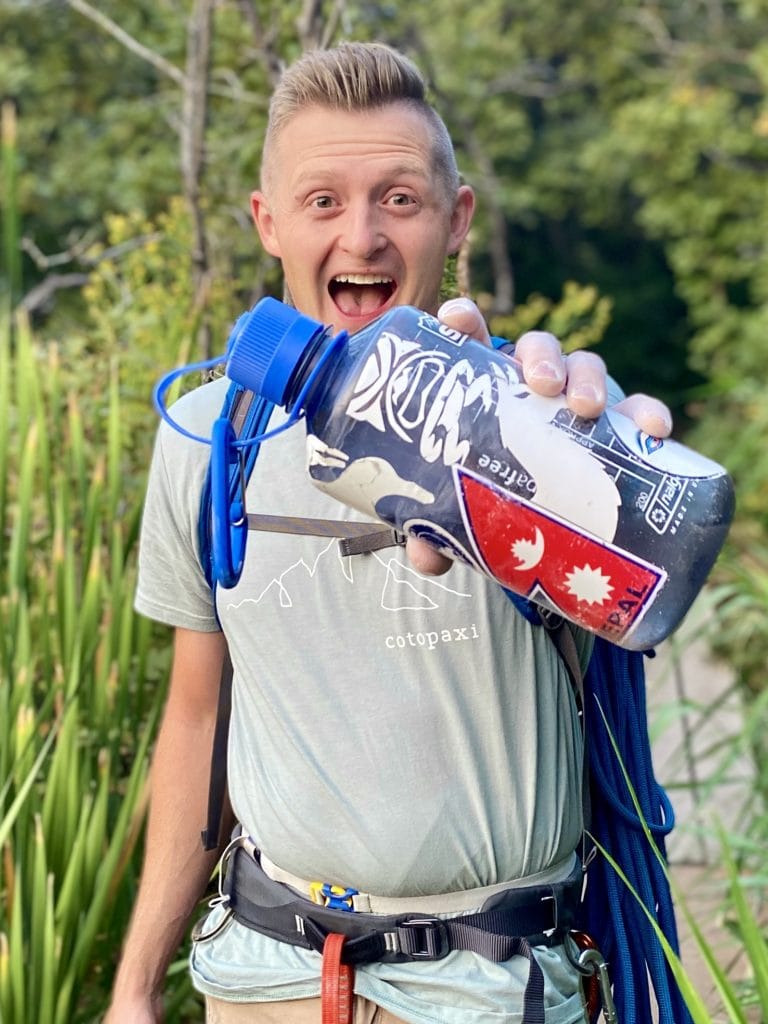
Smart packing means safer hiking, no matter if it’s a short loop or an all-day ascent. With the right gear and a little planning, you’ll be ready for surprise storms, late-day detours, and everything in between.
And if you need a bottle that’s as tough (and trail-tested) as the rest of your gear, Nalgene’s Sustain and Ultralite lines are built for wherever your next hike takes you.