Key Takeaways
- Trail mix is a reliable road trip snack that needs no cooler. Its mix of nuts and dried fruit pairs protein with carbs for steadier energy than candy or soda.
- Under USDA guidelines, perishable road trip snacks like cheese and sandwiches can stay out of the cooler for two hours, or one hour when it’s above 90°F.
- Road trip snacks can stay fresh and intact in leak-proof Nalgene storage containers, which come in sizes from 4 oz to 48 oz.
- Ready.gov’s emergency guideline of one gallon of water per person per day is a good amount to pack for a road trip.
On a long drive, food usually means a stop at the gas station off the next exit, where you pay convenience-store prices for chips, candy bars, and soda. An hour later, the sugar has worn off, everyone is hungry again, and all that’s left in the car is a pile of wrappers. Packing your own road trip snacks can save you the stop. Toss them in a grocery bag and a cooler of loose ice, though, and by noon you might find crushed crackers and soggy sandwiches. So how do you pack snacks from home that keep everyone fueled and still taste good hours later?
The answer starts in your kitchen, with the snacks you choose and the containers you pack them in. This guide explains how to get both right before your next drive.
What Makes a Good Snack for Traveling in a Car?
Choosing your snacks is the first half of getting road trip food right. We picked the items on our list with the four rules below in mind (you can apply the same rules to anything else you’re packing, too).
1. Pick protein over sugar
Sugary snacks like candy and soda digest quickly, so the energy they give you tends to fade within the hour. Over a two-hour stretch of highway, that can mean a burst of energy at the first exit and a hungry, sluggish driver by the second. A registered dietitian at Hartford HealthCare notes that protein takes longer to break down, which helps you stay satisfied longer. Jerky, nuts, cheese, and hard-boiled eggs can keep you going from one gas station stop to the next.
2. Pair a protein with a carb
Protein goes further with a carbohydrate on the side. The carb provides quick energy, and the protein and fat help that energy last, which is why peanut butter turns an apple into a snack that can tide you over until lunch. Nut butter with crackers, cheese with apple slices, and jerky with pretzels all follow the same pattern.
3. Choose car-friendly snacks
A snack enjoyed with utensils at your kitchen table can be a poor choice for the car. The driver needs food they can eat with one hand, such as string cheese or a handful of almonds. Low-crumb snacks mean less to vacuum out later, and mild-smelling ones are easier on everyone in a closed car. A warm car rules out anything that melts, which means leaving the chocolate at home. Everything else should be shelf stable (safe at room temperature) or filling enough to justify the space it takes up in your cooler.
4. Portion before you go
Pre-portioned snacks are easier to pass around the car, and they help you stop at one serving. When your eyes are on the road, you can finish half a family-size bag of chips without noticing, while one small container has a clear stopping point. Wash and cut produce at home, too, because nobody wants to peel a carrot at 70 mph. Kids can each get their own set of containers so they can serve themselves and spend less time arguing over who got more pretzels.
What Are the Best Road Trip Snacks?
Trail mix is our top pick for road trip snacks. A mix of nuts, seeds, and dried fruit pairs protein with carbs, stays fresh for days without refrigeration, and portions neatly into a 4oz storage container for each person in the car. Skip the chocolate pieces if the weather is warm.
The rest of these healthy road trip snacks fall into two groups based on whether they need a cooler. If you’re shopping for healthy snack foods for road trips, start with the shelf-stable list, since those snacks can go in a container up front and stay there all day.
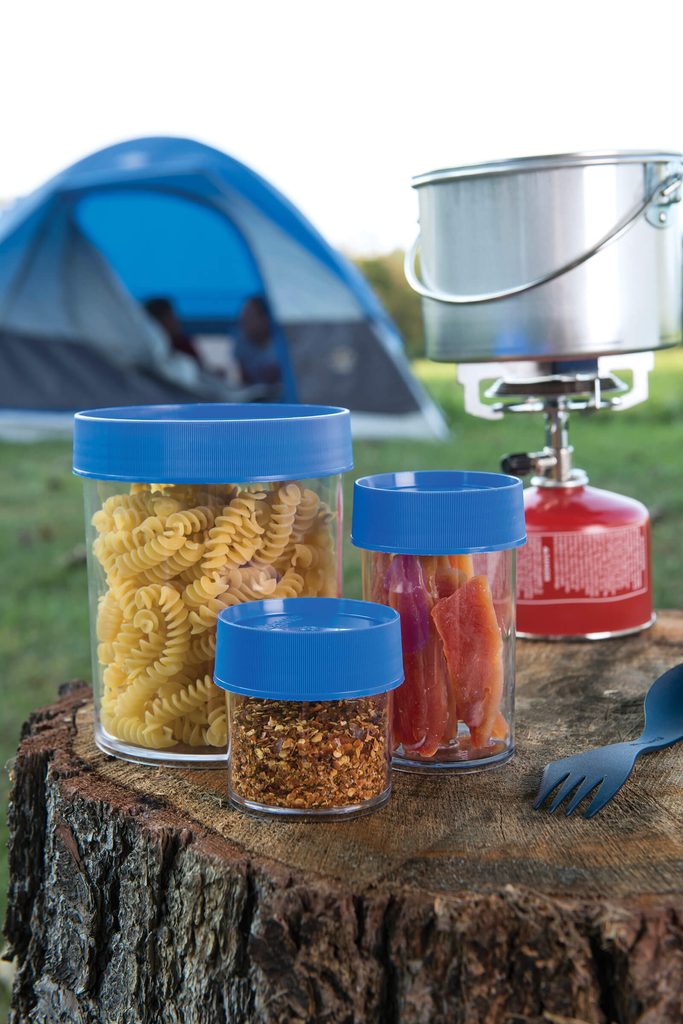
Road trip snacks that don’t need refrigeration
The following road trip snacks don’t need to be kept cool, so you can keep any of them within reach for every mile of your drive.
- Nuts and seeds. Almonds, cashews, pumpkin seeds, and sunflower seeds are filling and simple to eat one-handed. Portion them into 4oz containers so each person has a serving of their own.
- Jerky and meat sticks. These dried meats are high in protein and stay shelf stable until you open them. Biltong, a South African style of dried beef, also fits here. Check the label, since some brands need refrigeration once opened.
- Pretzels, crackers, and popcorn. These crunchy carbs pair well with any protein on this list. Instead of in a tote bag where they can break, pack snacks in a rigid 16 oz. container.
- Dried fruit and roasted chickpeas. Dried mango and apricots satisfy a sweet craving without melting. Roasted chickpeas add crunch along with protein and fiber.
- Sturdy whole fruit. Apples and clementines have thick skins that resist bruising, and kids can oftentimes peel a clementine on their own.
- Nut butter packets. Single-serve packets pair with crackers or an apple, so you can leave the jar (and the knife) at home.
Snacks that need a cooler
Cooler snacks take more planning than the shelf-stable ones. To be safe to eat, they need to stay at 40°F or below for the whole drive, which means packing them straight from the fridge and surrounding them with plenty of ice or ice packs. A cooler also fills up fast once the ice packs are in, so pick the snacks below with that space in mind.
- String cheese and cheese cubes. Cheese is simple to eat while driving, and it goes well with crackers or a whole apple from the dry bag.
- Yogurt and single-serve hummus cups. Hummus with cut vegetables makes a filling snack at a rest stop. Yogurt needs a spoon and a steady hand, so save it for when you’re parked.
- Hard-boiled eggs. Eggs are packed with protein, but peel them at home and pack them in a lidded container, since the smell can fill a closed car.
- Sandwiches and wraps. Make them the night before, and lunch is one less thing to pack on the morning you leave. If one of those sandwiches is a PB&J, put it in the freezer overnight so it can double as an ice pack in the cooler and thaw by midday.
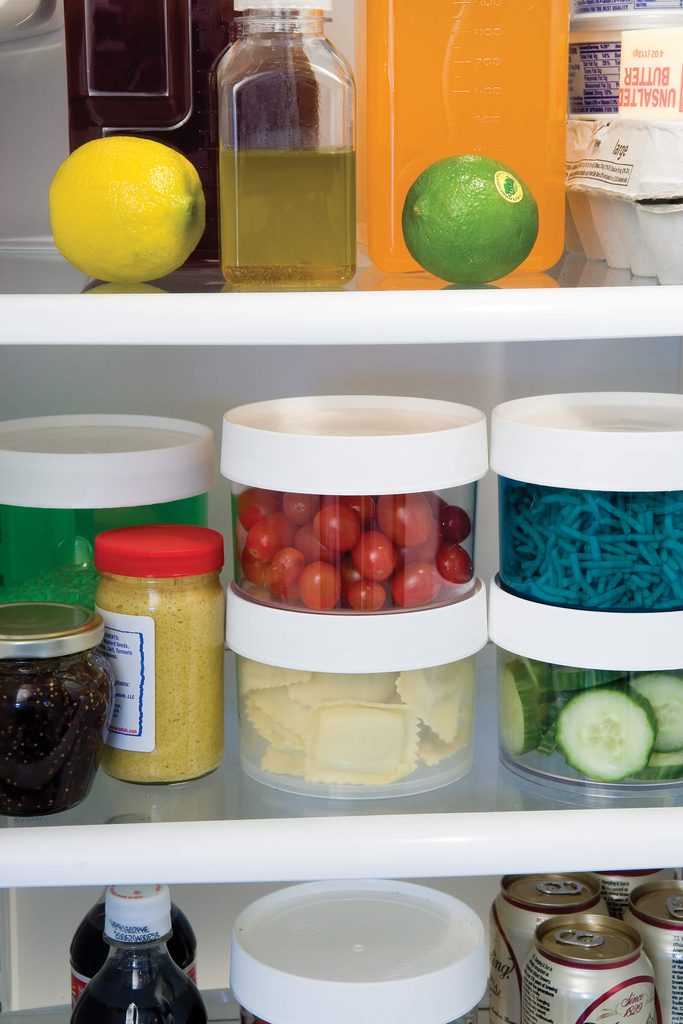
- Cut vegetables that stay crisp. Baby carrots, mini cucumbers, bell pepper strips, and snap peas can stay crunchy for hours in a sealed 16oz storage jar.
If space is tight, save the cooler for cheese, hummus and vegetables, and sandwiches, since they cover your protein and lunch. Yogurt and hard-boiled eggs are the ones to leave behind, because they can be messy to eat in a moving car.
What Food Can Stay in a Car All Day?
Shelf-stable snacks, such as nuts, jerky, crackers, dried fruit, and whole fruit, can stay in a car all day. Perishable foods, such as cheese, yogurt, eggs, and sandwiches, need to go back in the cooler within two hours, and even sooner in summer heat.
That two-hour limit comes from the USDA, which calls the range between 40°F and 140°F the danger zone because bacteria multiply quickly at those temperatures. Once the air passes 90°F, the limit drops to one hour.
On a summer road trip, go by the one-hour rule. According to NHTSA, the inside of a parked car can heat up by 20 degrees in 10 minutes. On a 75°F day, that’s enough to push the cabin past 90°F during a quick stop for gas.
A cooler can help you stop the clock. Perishable food kept at 40°F or below stays out of the danger zone, so the two-hour limit only counts the time food spends outside the cooler. An appliance thermometer inside the cooler can tell you whether the ice is still doing its job.
Shelf stable means a food is safe to store at room temperature, which is why trail mix and crackers can stay in the car all day. Heat can change how those foods taste, though. For example, nuts can go stale faster in the heat, so keep the snack bag out of direct sun.
Road Trip Snack Packing Hacks
Once you’ve chosen your snacks and know how long each one can stay out of the cooler, the second half of the job is packing them. With the right containers and a plan for where everything goes in the car, your crackers will arrive in one piece, and everyone in the back seat will have a snack within reach.
Portion snacks into 4oz to 16oz containers
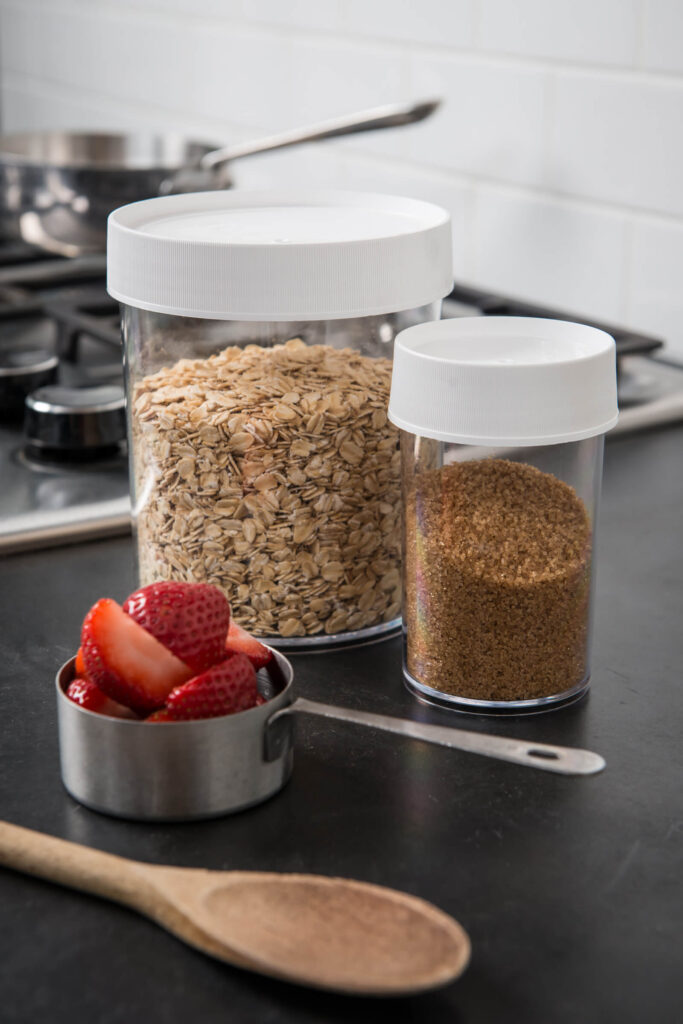
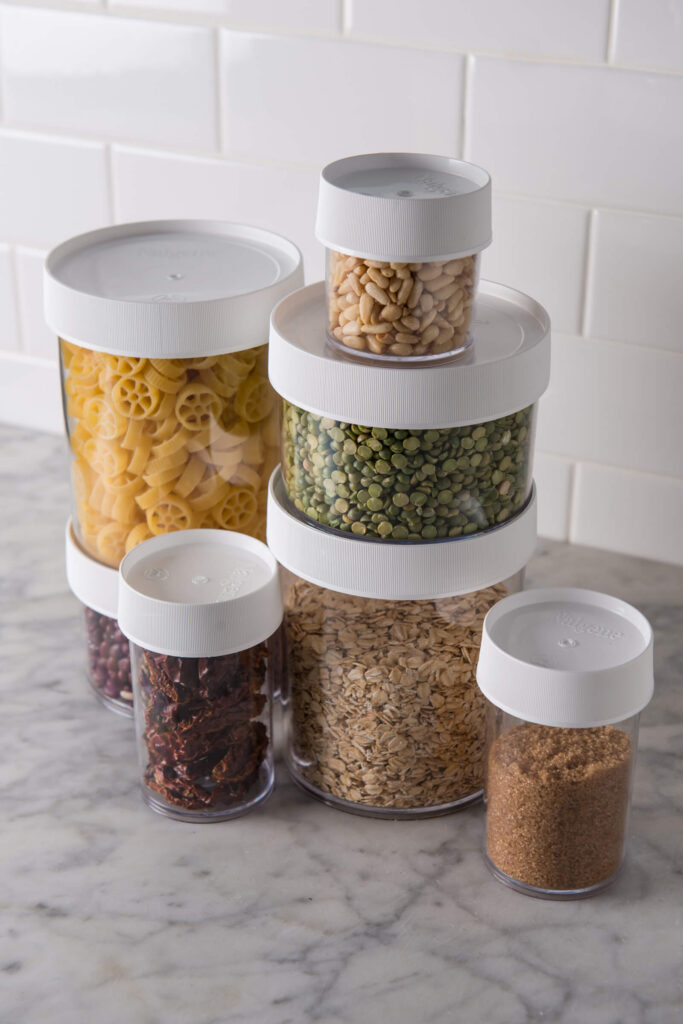
Open bags can tip over and go stale, so move snacks into containers before you leave. Nalgene storage containers come in 4 oz, 8 oz, and 16 oz sizes for single servings, and they’re leak-proof, so hummus and cut fruit stay sealed even if a container rolls under a seat. They’re the same containers people use to keep pantry staples fresh at home.
Keep a cupholder container for the driver
For the driver, set a 4 oz storage jar of almonds or pretzel pieces in a cupholder. That way the driver can grab a handful at a red light without reaching into the back seat for the bag.
Use 32 oz and 48 oz containers for the shared supply
Bigger containers work well for the snacks everyone shares. Keep a 32 oz storage jar or 48 oz storage bottle of trail mix or popcorn in the back seat and use it to refill everyone’s personal containers at each stop, so the bulk bags can stay packed away.
Make a snackle box
A snackle box is a set of small, clear containers grouped together so every snack stays visible. Stack a few 4 oz and 8 oz storage jars in a tote or bin, one stack per kid, and fill each one with a different snack. Kids can see what they have and pick for themselves, which cuts down on requests from the back seat.
Pack the cooler tight with ice packs
Ice packs keep food cold without the meltwater that soaks through bread and cardboard. A full cooler also stays cold longer than a half-empty one, so fill any gaps with extra ice packs. Put drinks and other heavy items on the bottom, and pack sandwiches, produce, and anything soft near the top so nothing gets crushed. A second cooler just for drinks can also help, since opening the food cooler less often keeps it colder.
Set up zones in the car
Keep a dry bag of shelf-stable snacks within arm’s reach of the front seats. Put the cooler on the floorboard or back seat, in the air-conditioned part of the car, rather than in the trunk. Food safety specialists at Clemson University recommend keeping the cooler in the passenger section, since a trunk can get hotter than the cabin.
Plan for trash
Hang a plastic bag from a headrest or seat-back pocket, or use an empty storage container as a trash bin for wrappers and peels. With a lid on, the smell of orange peels and apple cores stays inside until your next stop.
Match each snack to a container
The chart below checks every snack on our list against three of the rules from earlier and pairs it with a storage container size for packing. Driver-friendly snacks are the ones you can eat with one hand without leaving crumbs or a smell in the car.
| Snack | Protein | Shelf-Stable / No Cooler Needed | Driver-Friendly | Nalgene Container |
|---|---|---|---|---|
| Trail mix | ✅ | ✅ | ✅ | 4 oz per person, 32 oz for sharing |
| Nuts and seeds | ✅ | ✅ | ✅ | 4oz |
| Jerky and meat sticks | ✅ | ✅ | ✅ | 8 oz |
| Pretzels | ❌ | ✅ | ✅ | 16 oz |
| Crackers | ❌ | ✅ | ❌ | 16 oz |
| Popcorn | ❌ | ✅ | ❌ | 32 oz or 48 oz for sharing |
| Dried fruit | ❌ | ✅ | ✅ | 4 oz |
| Roasted chickpeas | ✅ | ✅ | ✅ | 4 oz |
| Apples | ❌ | ✅ | ✅ | None needed if whole |
| Clementines | ❌ | ✅ | ❌ | None needed |
| Nut butter packets | ✅ | ✅ | ❌ | None needed |
| String cheese and cheese cubes | ✅ | ❌ | ✅ | 8 oz for cubes |
| Hummus with cut vegetables | ✅ | ❌ | ❌ | 16 oz for vegetables, plus 8 oz for hummus from a tub |
| Yogurt | ✅ | ❌ | ❌ | 8 oz |
| Hard-boiled eggs | ✅ | ❌ | ❌ | 16 oz |
| Sandwiches and wraps | ✅ | ❌ | ❌ | None (pack in a reusable sandwich box or bag) |
How Much Water Should You Bring on a Road Trip?
Plan for about one gallon of water per person per day, the amount Ready.gov recommends for emergency supplies. That covers drinking water plus some extra for rinsing hands or containers.
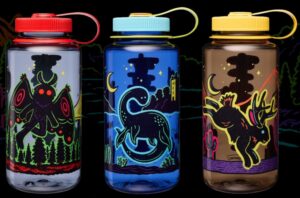
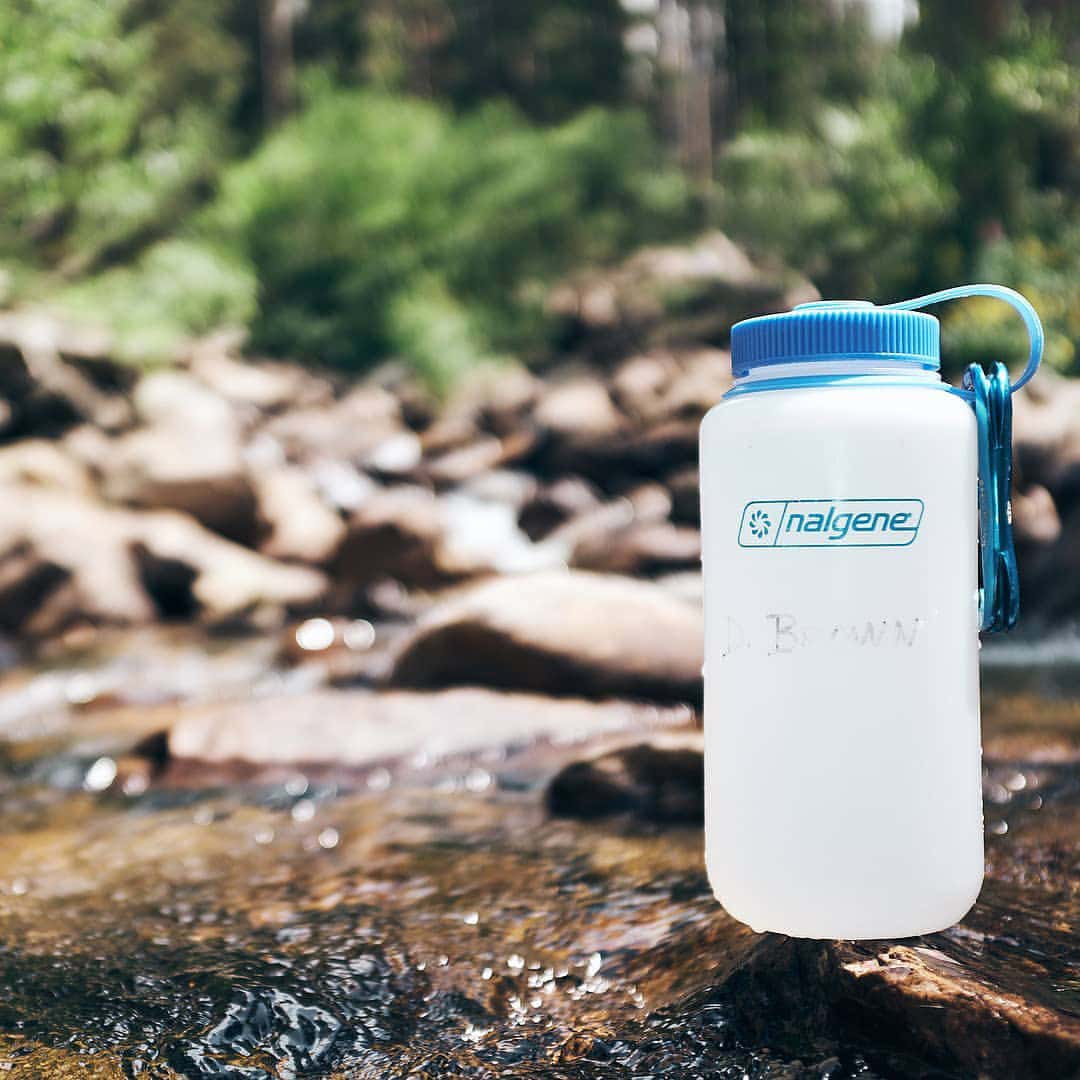
With reusable bottles, you can carry less at a time and refill along the way instead of buying plastic bottles at every stop. Give each person a 32 oz Wide Mouth bottle, fill it with ice before you leave, and top it off with water. The wide opening fits regular ice cubes, and the ice keeps the water chilled for the start of the drive. Refill the bottles at rest stops and gas stations.
Skip the Snack Aisle on Your Next Road Trip
Packing your own road trip snacks takes a little planning ahead of time. Once your snacks are portioned into leak-proof containers, the perishables are in a well-packed cooler, and each person has a water bottle, you’re set for the whole drive. The next gas station stop can be only for gas.
Stock up on Nalgene storage containers in every size from 4 oz to 48oz before your next road trip.
Frequently Asked Questions
What is the healthiest food to take on a road trip?
One of the healthiest food combinations to take on a road trip is an apple with a packet of nut butter. A medium apple contains about 4 grams of fiber, and a single-serve packet of peanut butter (about 2 tablespoons) adds about 7 grams of protein, so the pair keeps you satisfied without a sugar crash. Sunflower seed butter makes an easy swap in a nut-free car.
Can you freeze a Nalgene bottle to use as an ice pack?
Yes, you can freeze a Nalgene bottle and use it as an ice pack in your cooler. Fill a Wide Mouth bottle about three-quarters full so the water has room to expand, then freeze it upright with the cap loose. As the ice melts during the drive, you’ll have cold water to drink from the same bottle, so you can skip packing a separate ice pack and water storage container.
What is the 3-3-3 rule for road trips?
The 3-3-3 rule for road trips is a pacing guideline that recommends you drive no more than 300 miles a day, arrive at your stop by 3 p.m., and stay at each destination for at least three nights. The rule started with RV travelers, and some versions swap in a break every three hours. Shorter driving days leave more daylight for setting up camp or checking in.
How do you cut down on trash from road trip snacks?
You can cut down on road trip snack trash by skipping single-serve packaging. Buy snacks in bulk bags, portion them into reusable containers at home, and give each person a refillable water bottle for the trip. You’ll have fewer wrappers to collect from the floor mats and less to throw away when you arrive.
How do you clean snack containers on a multi-day road trip?
To clean snack containers on a multi-day road trip, rinse each one as soon as it’s empty, then wash it with hot, soapy water and a bottle brush at your campsite or hotel each night. Let the containers air dry with the lids off before you refill them. Nalgene storage containers are dishwasher safe, so a deeper clean can wait until you’re home.
How many snacks should you pack for a 7-hour road trip?
For a 7-hour road trip, plan on one snack per person for every two to three hours of driving, plus lunch if you’ll be on the road at midday. That works out to about three snacks each and a sandwich or wrap from the cooler. Pack a few extras in case traffic or a detour adds an hour to the drive.