Gearing up for your next backpacking adventure (or maybe even your first)? As any seasoned backpacker will tell you, it’s important to prepare for anything that comes your way without overstuffing your pack with things that make it a pain to carry.
We’ve created this detailed guide — plus a free downloadable backpacking checklist — so you can spend less time worrying about what to pack and more time planning your next outing.
11 Questions to Ask Before Building Your Backpacking Checklist
No two backpacking trips are the same, which means no two backpacking trip packing lists will be the same. For example, a single overnight out-and-back along the Sandbeach Lake Trail in Colorado will require a very different set of gear than a several-month thru hike of the Appalachian Trail.
Before assembling your backpacking checklist, ask yourself the following:
- What type of trip will this be? Will it be an out-and-back, point-to-point, a section hike, or a loop trail? Will you be base camping or thru-hiking?
- How long will your trip be? Think in terms of both distance covered and number of days on the trail (or off it, if bushwhacking is more your speed).
- Who will be on the trip? Are you hiking solo or with a group? If a group, how many people will be in it? Will they be experienced backpackers, beginners, or a mix of the two?
- How difficult is the hike? While there is no singular difficulty rating system — they vary by country and even state — sites such as AllTrails can help you understand what to expect.
- What will the terrain look like? Whether rocky, swampy, forested, mountainous, desert, icy, grassland, or coastal, each terrain imposes its own unique challenges and requires different gear.
- What will the elevation be? The higher the elevation, the thinner the air, the colder the conditions, and the more changeable the weather. On the inverse, low elevation hikes, while less physically taxing, could mean higher temperatures and humidity, which means hydration is a must.
- What is the climate? While there are certain essentials you’ll want to pack for any environment, you probably don’t need a winter coat while trekking through a tropical rainforest, or a pair of shorts for polar climes.
- What does the forecast look like? Keep in mind that weather can be variable, and that even the sunniest days can quickly turn to rain, so you’ll want to prepare for different conditions.
- When will your trip be? Are you backpacking in the spring, summer, fall, or winter?
- How much can you comfortably carry? The general rule of thumb is that you should carry no more than 20% of your body weight when backpacking; however, more experienced backpackers may be able to handle more.
- What do you want to get out of your trip? Are you trying to test your limits to see how far you can go or what’s the highest peak you can climb, or are you looking for a more laid-back experience that lets you enjoy the peace and beauty of the outdoors?
Backpacking Gear Basics
No matter what type of trip you’re taking or where you’re headed, these are the essentials that should always go on your backpacking gear checklist:
- Backpack: This one might seem obvious, but it’s important that you choose the right backpack for your trip — and the longer your trip, the greater the volume of your pack. A 20–30L pack is usually enough for a day hike, and a 40–50L pack is good for a single overnight. If you plan to spend a few days on the trail, you’ll want something in the 50–75L range. For a week or longer, choose a pack that’s 75–100L.Fit is another important factor here. Many backpacks are sized like clothing (XS, S, M, L, XL, and so on). These sizes are based on the length of your torso and the circumference of your hips, which affect the length of the shoulder straps and the circumference of the hip belt. The right size pack should distribute 75%–80% of its weight to your hips. A pack that’s mismatched to your body can cause strain and lead to injury, so try to be as accurate as possible when choosing the appropriate size.Most backpacks designed for backcountry use are made from highly durable, weather-proof materials. Nylon is by far the most common, but ultra-high-molecular-weight polyethylene (UHMWP) has gained popularity in recent years for its strength and light weight.
- Tent: In lieu of a traditional camping tent, look for an ultralight backpacking tent. Made from lightweight materials and designed to pack up small, most backpacking tents weigh under three pounds and can be customized to suit different conditions.
- Tent stakes: Again, you’ll want to look for a lightweight option here — stakes made from titanium or carbon fiber are your best bet.
- Hammock: Prefer sleeping under the stars? Try a hammock instead of a tent! Hammock camping is incredibly popular (there’s even an entire subreddit dedicated to it) and, for many, feels like a more authentic way to spend time in the wild while still being comfortable.There’s no shortage of hammock designs to choose from, with different comfort and temperature ratings and weight capacities. Just keep in mind that sleeping in a hammock rather than a tent won’t necessarily reduce the weight of your pack, as hammocks require their own accessories, including suspension lines, a rainfly or tarp, and stakes. You’ll also still need to bring a sleeping bag and sleeping pad (or a top quilt and underquilt).
- Sleeping bag: When choosing a backpacking sleeping bag, you’ll want to balance weight and warmth. What is the lowest temperature you’ll be sleeping in? Most sleeping bags include ISO or EN temperature ratings to help you make an informed choice. The general rule of thumb is to choose a sleeping bag rated for a lower temperature than your expected nighttime low. For example, if the nighttime low will be 32°F, look for a sleeping bag with a rating of 20°F or lower.While there are multiple sleeping bag shapes to choose from, many backpackers prefer mummy bags, so-called for their slim cut and contour hood. Mummy bags create a snug fit for extra warmth and, because they have less material, pack up smaller and tend to be lighter than other bags.
- Sleeping pad: More than just a comfortable place to rest after a long day on your feet, your sleeping pad also provides essential insulation against low nighttime temperatures. Similar to sleeping bags, sleeping pads often come with temperature ratings, known as an R Value. A pad with an R Value of 1 to 1.5 is best suited for warm temperatures and summer nights, while a pad with an R Value of 5 or more is warm enough for winter use.For backpacking, look at lightweight sleeping pad options, such as closed-cell foam pads, which often weigh less than a pound, or air pads, the lightest of which weigh just 12–15oz.
- Water-proof pack liner or pack cover: Whether you’re fording a river or get caught in a downpour, you’ll want to make sure critical gear, including your clothes, sleeping bag, and electronics, stay completely dry. Many backpacks come with a rain cover, though you may need to buy your own. Alternatively, many backpackers prefer to use a waterproof liner. For added insurance, you can even use both a cover and liner to prevent any leakage.
- Headlamp: Small, light, easy-to-use, and hands-free, headlamps are the go-to for many seasoned backpackers, though some choose to add a small flashlight to their pack as backup. Just be sure to bring an extra pair of batteries (or two for longer trips) so you always have a reliable light source.
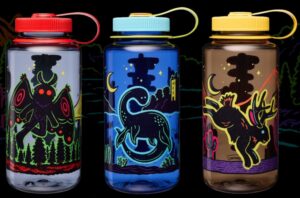
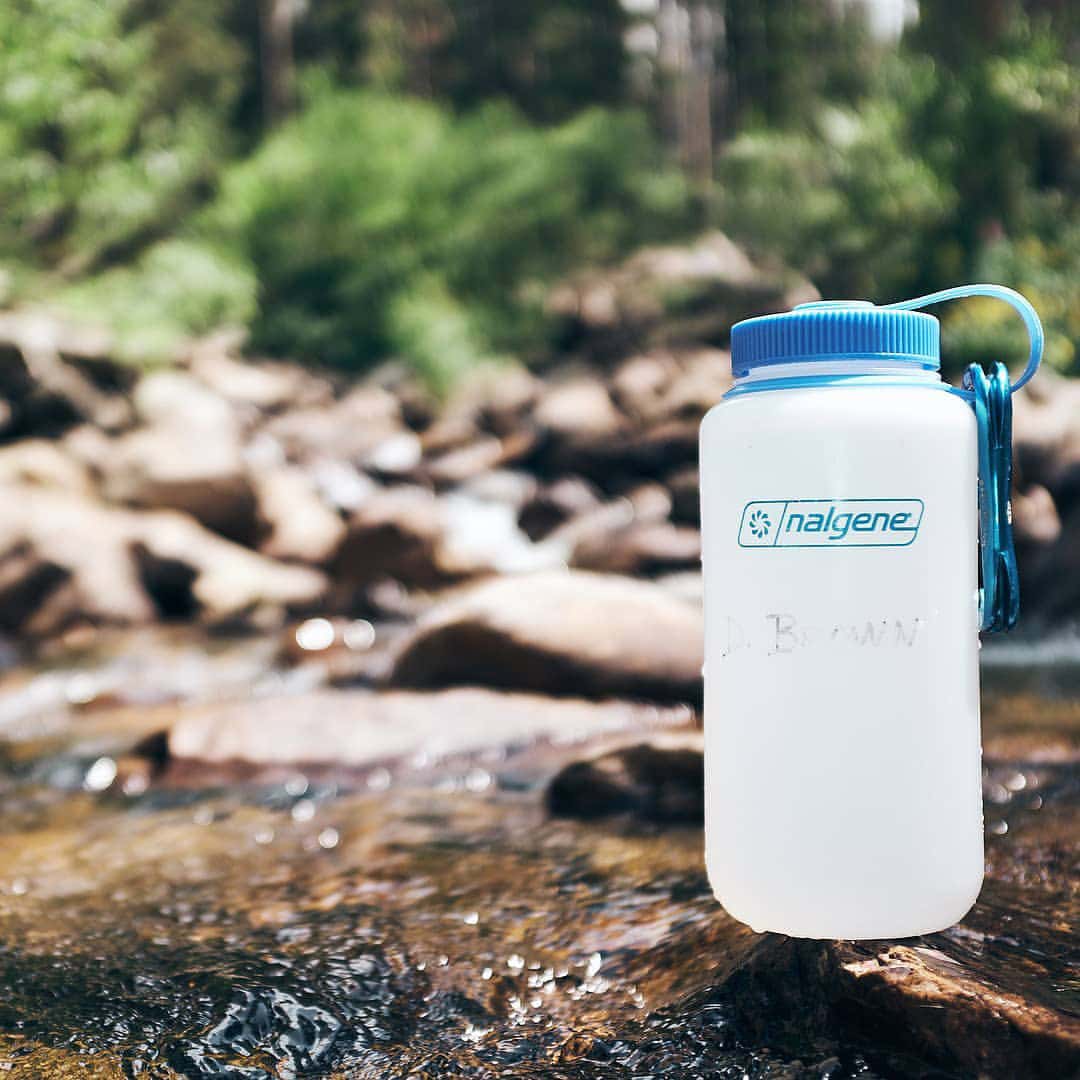
- Water bottle: The human body can survive two or so months without food (not that we’d recommend it!), but only five days without water. No matter what conditions you encounter, having a steady supply of water is vital, especially when you’re hiking more strenuous trails.While there’s no one-size-fits-all rule for how much water you should bring when backpacking, the usual recommendation is about 0.5L (roughly 17oz) per hour of hiking. From there, adjust based on factors such as temperature, altitude, terrain, and your own pace.Since weight is a concern when backpacking, choose a bottle that won’t weigh you down. Nalgene’s Ultralite Collection is made from high-density polyethylene (HDPE), a lightweight yet durable material that makes each bottle a great addition to any backpacking checklist. Plus, each bottle comes with Nalgene’s signature measurements on the side, so you can easily keep track of your water intake, and fits most filtration devices for clean water in even the most remote areas.
Navigation
Even on the most well-marked trails, it only takes one wrong turn to get off track. That’s why it’s crucial that you bring a map of the area and a reliable compass with you on every backpacking trip. For those doing longer thru-hikes that will take you out of cellphone range, it’s worth investing in a GPS system, especially one that supports two-way communication and has SOS functionality.
Health & Hygiene
No need for an extensive routine here — just the basics will do:
- Hand sanitizer
- Toothbrush and toothpaste
- Sanitation towel
- Toilet paper/wipes and a sealable bag
- Menstrual products
- Prescription medications
- Prescription glasses
- Sunglasses
- Sunscreen
- SPF lip balm
- Blister treatment supplies
Emergency Items
Should you find yourself in an emergency situation, it’s important that you have the following on-hand:
- Emergency communication device
- First-aid kit
- Whistle
- Lighter or matches (in waterproof container)
- Fire starter
- Emergency shelter
- Two copies of your itinerary (one to leave with a friend, one to leave under your car’s front seat)
Tools & Repairs
Whether you need to patch up a hole in your tent or repair a loose strap on your pack, having the right tools for a quick fix in a pinch can save you a lot of grief on the trail. Be sure to add these items to your backpacking checklist:
- Knife or multi-tool
- Repair kit
- Duct tape strips
- Super glue
Clothing & Footwear
When it comes to clothes, less is more. Unless you’re going to be on the trail for months at a time, you really only need one or two outfits for hiking and warm clothes to sleep in. Beyond that, any accessories you bring will vary depending on the climatological and weather conditions you encounter.
- Shirts: You’ll need one shirt for hiking and one for sleeping. Whether you wear long sleeves or short will depend on trail conditions but, regardless what you choose, look for shirts made from quick-dry, moisture-wicking materials.
- Hiking pants: A pair of lightweight pants with deep pockets are ideal for any trail — bonus points if they can easily convert into shorts for added comfort.
- Sleep pants: While you could wear your hiking pants to bed, depending on where you make camp, you may want something warmer. A pair of thermal leggings are comfortable to sleep on their own or under hiking pants for extra cold nights.
- Lightweight fleece or hoodie: A nice, light midlayer is easy to throw on if you feel a bit chilly during the day or to wear for added warmth when you sleep.
- Insulated jacket: Down jackets are great for dryer conditions and can be easily compressed to fit in any pack; jackets with synthetic insulation typically dry faster and are better for wet conditions.
- Rain coat: There are few things worse than getting caught in the middle of a surprise downpour with no coverage. Even if the forecast promises straight sunshine, be sure to add a rain coat to your pack — ideally, one that’s 8oz or less, is made from 3-layer fabric, and has pit zips for ventilation.
- Socks and underwear: How many you bring will depend on the duration of your trip, but you really only need two to three pairs of each, as socks and underwear are easy to rinse, hang dry, and rewear.
- Footwear: Since you’ll be on your feet for hours at a time, you’ll want a pair of workhorse shoes that fit comfortably. Different terrain calls for different styles — for example, trail-runners are good for cross-country hiking, while sturdy, heavy duty boots are best for rugged, rocky trails — so think carefully about what types of backpacking trips you’ll typically take before investing in a pair. No matter what you choose, you’ll want to make sure your shoes are waterproof to keep your feet dry and warm.
- Camp sandals: As a backpacker, your feet are one of your most important assets. Tired soles and blistered heels can spell the difference between reaching your destination and having to pack it in early. Give your feet a break at the end of the day with a pair of camp sandals; Crocs and Tevas are popular options.
- Sun hat: Whether you prefer a baseball cap or a wide-brimmed hat for additional coverage, a good sun hat will shield your eyes and protect your scalp against UV rays.
Camp Kitchen
Long-haul hikes call for a more sophisticated setup than just hot dogs and s’mores roasted over an open fire. A proper camp kitchen should include:
- Backpacking stove
- Fuel
- Cookset
- Dishes/bowls
- Eating utensils
- Mug/cup
- Biodegradable soap
- Small quick-dry towel
- Collapsible water container
- Bear canister/food sack OR a hang bag and 50’ nylon cord
Food & Water
Backpacking requires a lot of energy; keep yours up by adding these to your backpacking gear list:
- Extra water bottle (we recommend our collapsible cantenes, which will add less bulk to your pack)
- Water filter/purifier or chemical treatment
- Meals
- Energy food and drinks (bars, gels, chews, trail mix, drink mix)
- Extra day’s supply of food
Personal Items
Even out in the wild, you’ll want to keep some personal effects on you, including:
- Permits (if needed)
- Credit card and/or cash
- ID
- Car keys
- Cellphone
- Portable phone charger
- Power bank
Optional Gear
Have room in your pack to spare? Consider adding these items — broken out by category — to your backpacking gear list:
Backpacking Basics
- Trekking poles
- Lantern
- Pillow
- Bear spray
- Bug spray
Navigation
- Guidebook
- GPS
- Satellite messenger or locator beacon
- Watch
Health & Hygiene
- Body wipes
- Portable bidet
- Hairbrush
Clothing & Footwear
- Buff or bandana
- Beanie
- Gloves or mittens
- Head net
- Fleece pants
- Insulated vest
- Water shoes
- Gaiters
Just for Fun
- Camera or action camera
- Interpretive field guide(s)
- Star chart/night-sky identifier
- Outdoor journal or sketchbook with pen/pencil
- Book/reading material
- Cards or games
- Compact binoculars
- Two-way radios
Don’t forget to download your free copy of our backpacking checklist.
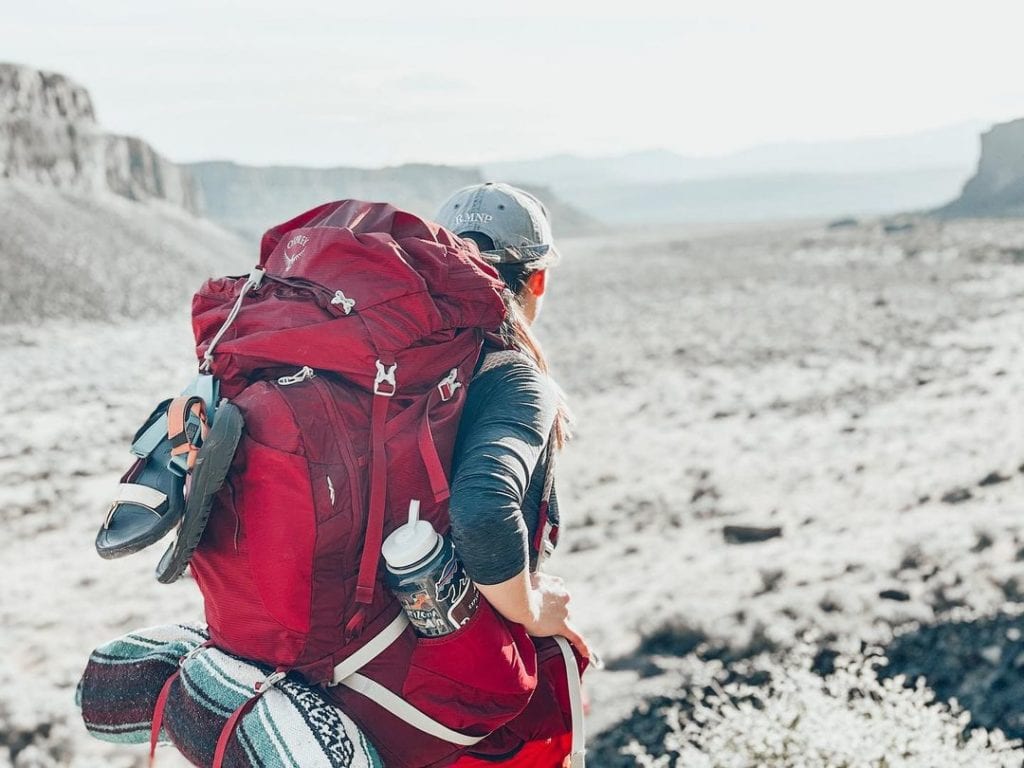
Before you zip up your pack, don’t forget the one piece of gear that works harder than the rest: a Nalgene water bottle. Our bottles pull double duty on the trail, keeping you hydrated, making meal prep easy, and even acting as a hot water bottle you can tuck into your sleeping bag when the temperature drops.
From our classic wide mouth bottle to our Ultralite collection, every one of our bottles was designed by a team of scientists and avid hikers to be tough, durable, and ready to hit any trail.